Useful Summary
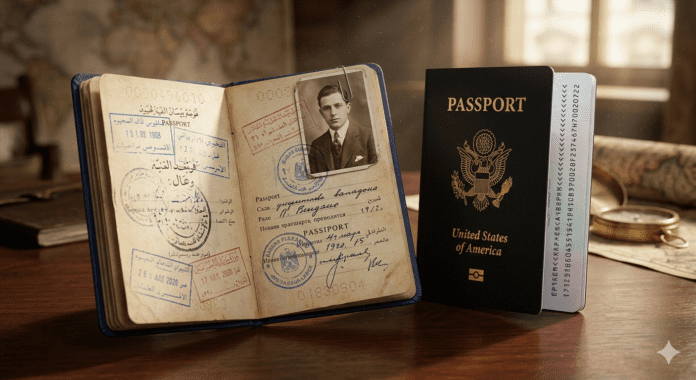
Passports did not begin as tools to restrict movement, but as a way to protect travelers and facilitate safe passage. Over time—especially after World War I—they evolved into a global system that regulates mobility based on nationality. Today, passport strength plays a major role in travel and work opportunities, reflecting clear inequalities between countries.
When Dreams Meet Reality
Imagine planning to start a business abroad, begin a new life, or travel the world.
Everything feels possible…
until you face the travel process.
At that moment, a less-discussed reality becomes clear:
your ability to move freely is not determined by your skills alone, but is also shaped by the passport you hold.
This doesn’t mean opportunities don’t exist,
but the path is noticeably easier for some than for others.
Ancient Beginnings: The First Travel Permits
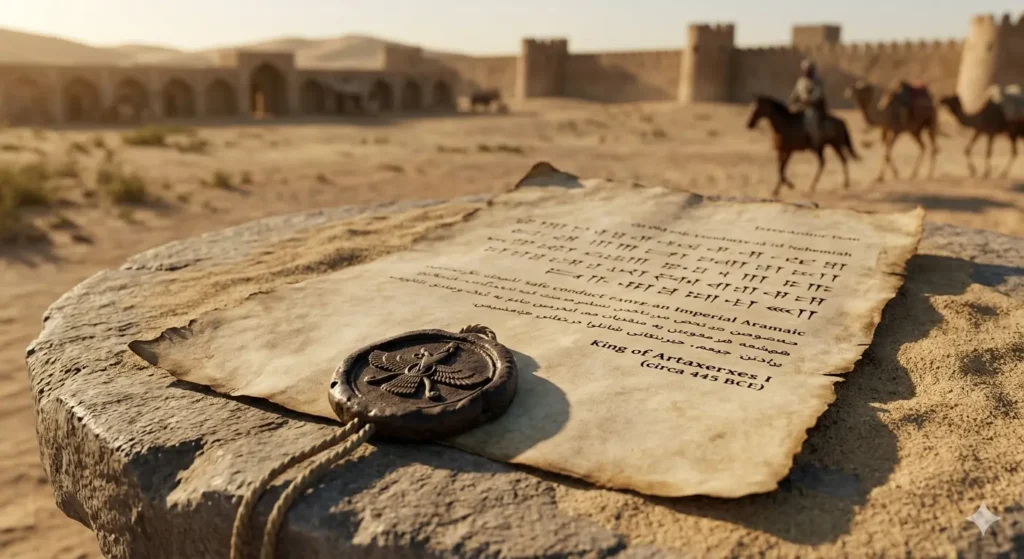
The idea of travel documents goes back thousands of years.
In the Persian Empire, King Artaxerxes I granted one of his officials a letter ensuring safe passage across different lands.
This document acted as proof of peaceful intent and a means of protection.
At the time:
- There were no complex procedures
- Borders were far less restrictive
The primary goal was protection—not restriction.
In the Islamic World: Identity and Regulation
By the 8th century, more structured travel documents appeared.
They typically included:
- Detailed physical descriptions
- A limited validity period
- Conditions such as fulfilling financial obligations
These documents were not just permits,
but tools to organize movement and verify identity.
In Europe: The Rise of Formal Systems
By the 15th century, European authorities began issuing official travel permits.
In England, “safe conduct” documents:
- Guaranteed the traveler’s safety
- Allowed movement across territories
Over time, these systems became more formalized and closely tied to state authority.
The Origin of the Word “Passport”
The term “passport” appeared in the 17th century and is believed to come from the idea of “passing through gates” or ports.
For a long time:
- Passports were not mandatory
- Travel was more flexible
However, as modern states developed, stricter control over borders became necessary.
World War I: A Turning Point
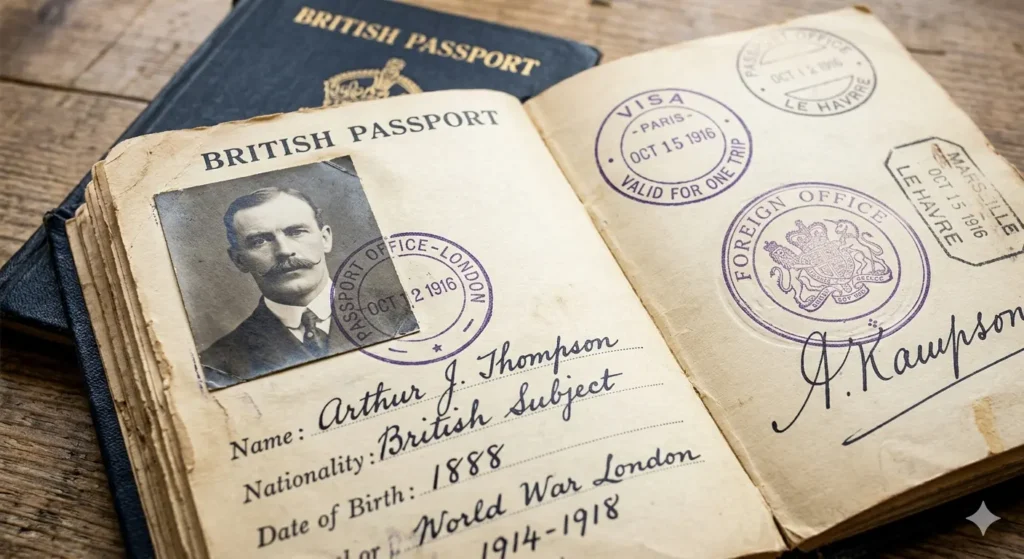
With the outbreak of World War I, global travel systems changed dramatically.
- Security concerns increased
- Governments imposed stricter controls
- Passports became essential
This is when the modern passport emerged:
- Personal photographs
- Detailed identification
- Official stamps
Even passport photos were initially unpopular,
but they eventually became a standard part of identity verification.
Passports and Gender Inequality
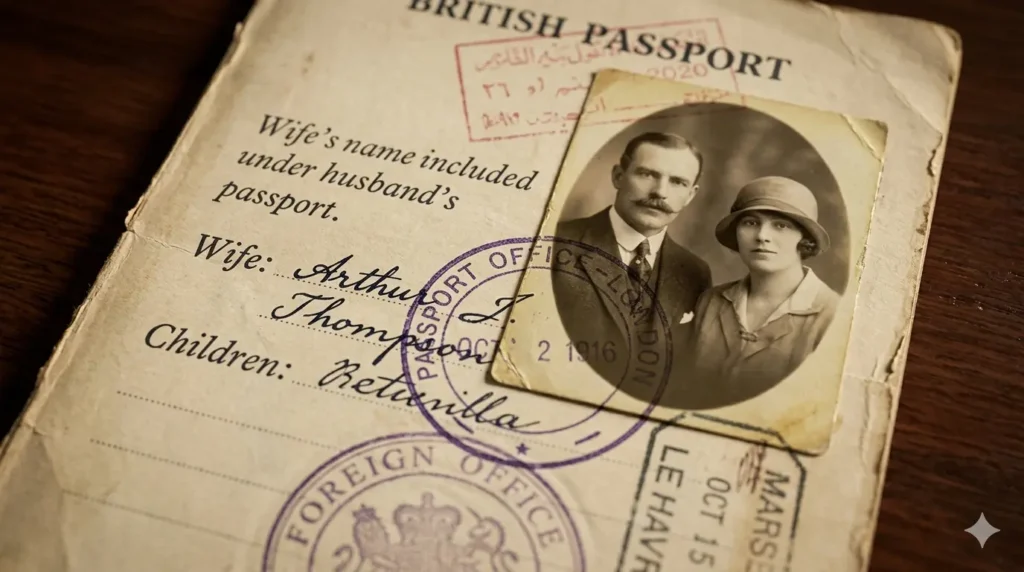
In the past, women did not always have independent travel rights.
- A wife’s details were often included in her husband’s passport
- She did not have a separate document
Over time, these practices gradually disappeared,
but they highlight that freedom of movement was not always equal.
The Idea of a World Passport
The concept of a “world passport” was introduced as a way to remove borders.
In reality:
- It has very limited recognition
- Most countries do not accept it
As a result, it remains more symbolic than practical.
What Does This Mean Today?
Today, passport strength influences:
- Ease of international travel
- Access to work and study opportunities abroad
- Speed and complexity of visa procedures
This does not mean opportunities are closed,
but differences in access and requirements are clear.
Differences in Passport Power
Current data shows that:
- Some passports allow entry to many countries without a visa
- Others require additional procedures
These differences reflect international relations and policies,
and they directly affect freedom of movement.
What Does This Mean for You?
If you are planning to travel or work abroad:
- Understand the requirements of each country
- Explore alternatives like remote work
- Build skills that expand your opportunities
Relying solely on ease of travel is not enough,
but smart planning can open other paths.
Conclusion
Today, a passport is more than an official document—
it reflects global relationships and levels of openness.
Despite existing limitations, there are still many ways to create real opportunities,
whether through travel or through work that transcends borders.
A Look Ahead
Travel restrictions are likely to continue in different forms,
but digital work and global connectivity are expanding rapidly.
This suggests that:
geographical borders will remain,
but their impact may decrease in other areas.
Frequently Asked Questions (FAQ) ❓️
A passport is an official document that verifies your identity and nationality, allowing you to travel internationally and request entry into other countries.
Passport strength depends on international agreements, diplomatic relations, and visa policies between countries. Some nations have broader access due to stronger political and economic ties.
Passports became widely mandatory after World War I, when countries introduced stricter border controls for security reasons.
Yes. Depending on your nationality, you may need visas, face longer processing times, or be restricted from entering certain countries, which can affect travel and work opportunities.
A powerful passport allows visa-free or visa-on-arrival access to a large number of countries, making international travel easier and faster.
There is a concept known as the “World Passport,” but it is not widely recognized by most countries and has very limited practical use.
In many historical periods, travel was more flexible and often required only letters of recommendation or simple permits rather than strict identification systems.
Yes. Modern passports now include biometric data such as fingerprints and digital chips to enhance security and identity verification.
Sources
- Encyclopaedia Britannica – Passport History
- Global Passport Index – Passport Rankings
- International Air Transport Association (IATA) – Travel Documents
- History.com – A Brief History of the Passport
- European Council – Schengen Area and Free Movement
- Library of Congress – Passports and Travel Papers Collection
Written by Mohamed ✍️